
Men’s edition · 32 current shoes
ASICS has one of the deepest road ranges. The Novablast is the everyday shoe, the Gel-Nimbus the soft cruiser, and the Superblast the light, high-stack long-run shoe. The Gel-Kayano leads the support shoes. The Sonicblast handles workouts, and the Metaspeed family covers race day.
EasySoft, for recovery and easy days | DailyOne shoe for most runs | StabilitySupport for runners who need it | Long runLong runs, protective but not slow | WorkoutTempo and intervals | Short race5K–10K | Long raceHalf + marathon |
|---|---|---|---|---|---|---|
Every ASICS road shoe
Every current ASICS road shoe
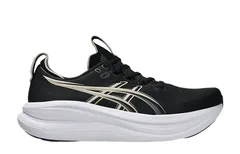
ASICS flagship maximum-cushion daily trainer. GEL technology and FF BLAST PLUS foam deliver exceptional comfort on long runs.
Why for easy: A tall, plush cruiser with a gentle rocker that works best at easy, relaxed paces.

The ASICS Novablast 6 is a high-cushion neutral road trainer built on energetic FF BLAST MAX foam with a FF TURBO SQUARED forefoot pod, aimed at bouncy daily mileage.
Why for daily: One of the most popular daily trainers: light for its stack, durable, and happy at most paces.

The ASICS Novablast 6 GTX is a waterproof, high-cushion neutral daily trainer with an energetic FF BLAST MAX midsole and GORE-TEX upper aimed at wet- and cold-weather road running.

The ASICS Gel-Kayano 33 is a maximally cushioned road stability trainer using FF BLAST PLUS/MAX foams, PureGEL rearfoot cushioning, and adaptive FLUIDSUPPORT guidance for neutral to overpronating runners.
Why for stability: The softest Kayano yet keeps the solid support the series is known for.

Super-stacked speed trainer with massive FF BLAST PLUS cushioning for responsive, comfortable long runs and easy days.
Why for long run: Huge stack, light weight: built for demanding long runs and long tempo efforts.

The ASICS Sonicblast 2 is a highly cushioned neutral road trainer with a bouncy two-layer FF BLAST MAX / FF TURBO SQUARED midsole and a forked Pebax ASTROPLATE, positioned by ASICS for tempo runs and daily training.
Why for workout: A plated, rockered trainer that feels best at uptempo and marathon pace.

Pinnacle racing shoe for cadence-style runners. Carbon plate and FF LEAP foam deliver explosive energy return to help you run faster for longer.
Why for short race: Very light and very responsive, a safe bet from the 5K upward.

Pinnacle racing shoe for stride-style runners. A higher-stack carbon plate design to help you cover more ground with each powerful stride.
Why for long race: A super shoe with marathon-ready cushioning and explosive energy return.

Versatile cushioned daily trainer updated with FF BLAST PLUS foam for a smooth, energized ride from easy days to long runs.

Rocker-sole daily trainer designed to reduce calf and Achilles strain, ideal for long-distance runners and those prone to lower-leg fatigue.

The ASICS Nimbus Mirai 2 is a unisex neutral, high-cushion daily road trainer built with a sugarcane-based FF BLAST MIRAI midsole and breathable knit upper.

The ASICS Dynablast 6 is a neutral, high-cushion road trainer built around FF BLAST PLUS foam and a trampoline-inspired outsole pod, aimed at everyday fitness running.

Lightweight budget daily trainer with GEL cushioning for comfortable, reliable everyday runs.

A budget-friendly road stability shoe offering light support through platform geometry for daily neutral and mild-overpronation training.

The ASICS GT-1000 15 GTX is a waterproof stability daily trainer with a GORE-TEX upper, FF BLAST cushioning and a lugged outsole aimed at mixed-terrain running in wet and cold conditions.

The ASICS GT-2000 15 is a high-cushion daily stability trainer with a softer FF BLAST MAX midsole and ASICS' 3D GUIDANCE SYSTEM for adaptive support.

The GT-2000 15 GTX is ASICS' waterproof daily stability trainer, pairing a softer FF BLAST MAX midsole with GORE-TEX protection and the adaptive 3D Guidance System.

High-performance stability trainer for serious runners logging high mileage who need firm support and lasting durability.

Maximum-cushion daily trainer and walking shoe with an ultra-thick FF BLAST PLUS midsole for all-day comfort.

Rocker-geometry trainer designed for efficient energy transfer and a fast, smooth ride on easy and moderate runs.

The ASICS Hyper Speed 6 is a lightweight, budget-friendly neutral trainer-racer with a 6mm drop and FLYTEFOAM midsole aimed at up-tempo road running.

Carbon-plated tempo trainer for fast workouts and race day. Combines FF BLAST PLUS cushioning with a carbon fiber plate for responsive propulsion.

The ASICS Noosa Tri 16 is a lightweight, neon-styled neutral road trainer with FF BLAST PLUS foam, GUIDESOLE rocker geometry, and a 5mm drop, aimed at faster daily miles and triathlon use.

Elite racing shoe featuring a carbon plate and FF TURBO PLUS foam, positioned between the Edge and Sky for elite runners seeking a competitive edge.

The ASICS S4+ Yogiri is a $200 unisex carbon-plated road racer built around FF TURBO cushioning and positioned for tempo runs and race day.

The ASICS Gel-Contend 10 is a budget-friendly neutral daily trainer with GEL rearfoot cushioning and AMPLIFOAM PLUS midsole, aimed at everyday comfort and light running.

Affordable everyday trainer with GEL technology for comfortable, reliable daily runs and new runners building mileage.

The ASICS Metasleek is a lightweight, plateless road trainer built around bouncy FF TURBO SQUARED foam and a race-aligned fit for speed training and faster efforts.

The ASICS Metaspeed Sky is a neutral, maximum-cushioned carbon-plated road racing shoe built for stride-style runners chasing faster marathon times.

Entry-level road shoe offering solid GEL cushioning and durability for new runners at one of the most accessible price points.

Versatile everyday trainer with FF BLAST cushioning for varied workouts and casual daily runs.

The ASICS Yogiri Speed is a $225 unisex carbon-plated racing shoe with FF LEAP cushioning, a 5mm drop and a 227g weight, marketed for racing and tempo efforts.